
I have been so looking forward to starting this scholarship project.
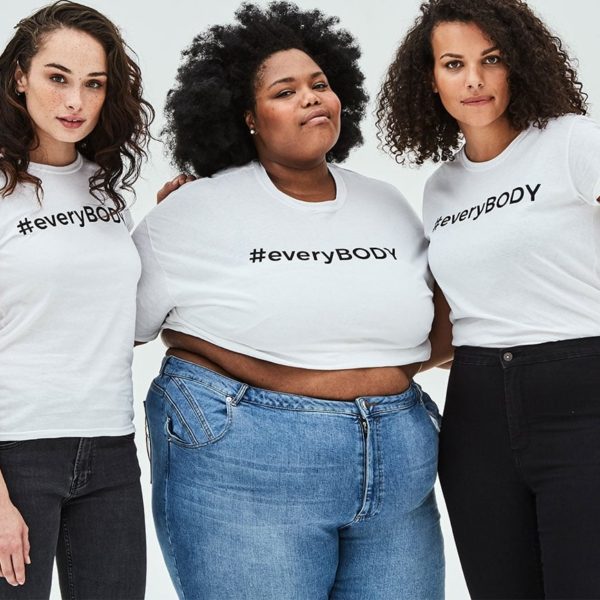
As a Sportswear Design student, I am passionate about the fit of clothing, especially when it comes to women and their differences in sizing. I find it ridiculous that despite new technologies emerging within the fashion industry, clothing sizing is still inaccurate and badly graded. It frustrates me that a standard female model is still 5’8” and above, yet the average height of a woman in the UK is 5’3”. It isn’t inclusive at all, and body shape is hugely dependent on the age and athletic build of a woman, not just their height and weight.
Not only that, but when developing products, designers have to sit through fitting after fitting to make alterations to the garments and corresponding patterns, and this takes up not only time but also unnecessary amounts of fabric. The fashion industry is renowned for its detrimental impact on the environment and fabric wastage is a huge cause of concern, yet designers and product developers still stretch out the process of testing and prototyping physical samples; physical samples which will end up in landfill which could’ve been simulated virtually. Alternative methods of pattern creation and garment prototyping are on the rise. Software such as Gerber3D and Clo3D (both of which I will have the opportunity to be trained on during this project) have huge potential within the fashion industry to eliminate some of the issues I have mentioned; yet they’re use is still not widely spread.
Mini-rant over. Start of project.
Jayne and I met on Monday, day one of the project, to discuss our initial thoughts about the project and where it could go. It was evident that we share the the same opinions and bugbears when it comes to sizing in the fashion industry and how non-inclusive it currently is. We decided on several hashtags to be used in the project to try and entice a larger audience and I’ve been testing these out on google, Pinterest, instagram etc for the past few days.
This week has primarily been taken up by researching the project areas; pattern grading, 3D virtual software and body sizing. I found several marketing schemes for the softwares mentioned, and list after list of the pros of using it. However it still seems as though this is more of an ideology at the moment rather than a widely used method of producing patterns. I found through my research that there were many references to the software being used as a ‘supplementary’ part of garment fittings as oppose to an alternative. From a fashion students point of view I could understand this; physical samples were vital to understanding how a garment will sit on the body. But what if the fabric simulation was more accurate, and the avatars were more life-like?
I am looking forward to beginning my training in Gerber3D next week.
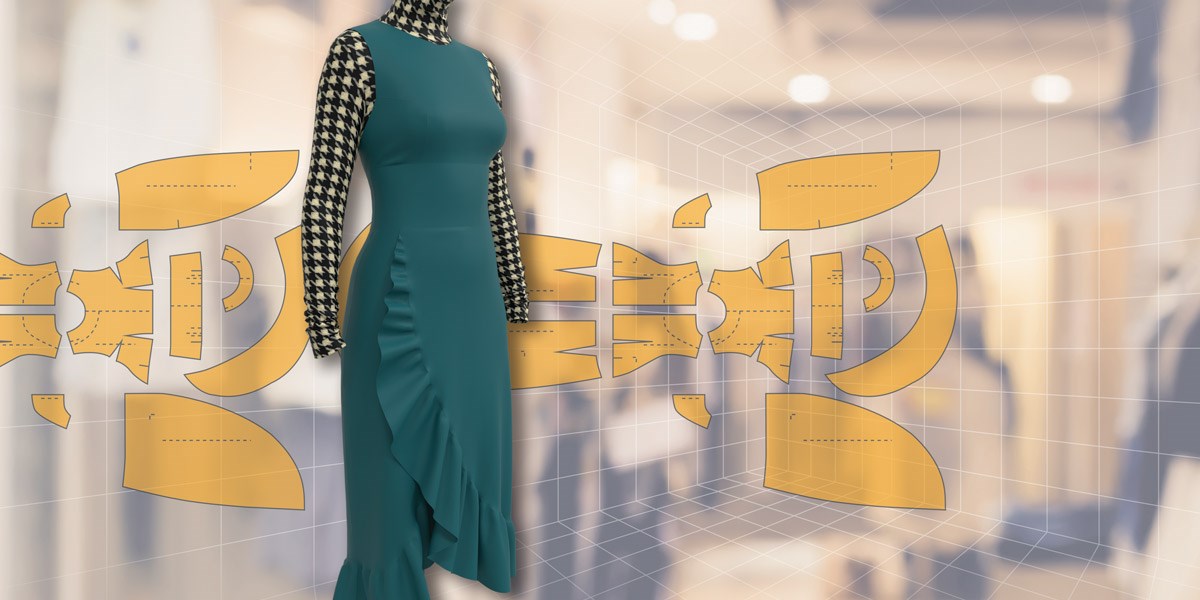
The outcome for this project will be a series of female virtual avatars, with garment patterns that have been virtually graded to fit the various avatars. The size specification will be taken from my own body measurements as I will be using the full-body scanner next week. This will put a personal spin on the project and will be so informative for my final year studies. I can’t wait.
 Avatars & 3D Virtual Prototyping